When pain sticks around, it can start to shape how we move, think, and feel. That’s especially true in adolescence—a high-arousal season with big emotions, big transitions, and a nervous system that’s still wiring itself. Chronic pain in teens is devastating. These years are when adolescents develop their identity, build confidence, and create lasting memories about who they are and what they’re capable of.
Experiencing chronic pain during this time can feel overwhelming and scary—for teens and for the people who love them. It can fuel anxiety, fear, and despair, and it can keep teens from the activities and social experiences that are essential for healthy development, self-esteem, and future emotional and social success.
The good news: during adolescence, the brain is highly neuroplastic. With the right tools and support, teens can retrain their brains, recover from chronic neuroplastic pain, and build resilience that serves them for life.
“What you practice grows stronger.” — Shauna Shapiro
How Chronic Pain Shapes the Teen Years
During adolescence, the brain is particularly receptive to change—both positive and negative. Neural pathways are being strengthened all the time based on what teens experience, repeat, and believe.
When chronic pain enters the picture, it doesn’t just affect the body. It can influence:
• How teens see themselves (“I’m broken,” “I can’t keep up.”)
• How they relate to friends and peers
• How confident they feel trying new things
• Their memory of these years and what they believe they’re capable of in the future
Chronic pain in teens can interfere with sports, social events, school, and even simple daily routines. That’s a lot for any nervous system to hold—especially one that’s still under construction.
At the same time, this “under construction” brain offers a unique window for recovery. Because adolescent brains are so plastic, pain pathways can be rewired more quickly and effectively than in adulthood with the right approach.
This week, we’re looking at what chronic pain feels like for teens, why their pain signals may feel “turned up,” and how you—as a parent, caregiver, loved one, or provider—can support their recovery.
Why Your Teen’s Pain Signals May Feel “Turned Up”
If you’re caring for a teenager in chronic pain, you may feel overwhelmed, confused, or even helpless. Maybe doctors haven’t found anything wrong, or you’re getting mixed messages. You might notice yourself thinking, “Is this all in their head?” or, “Why aren’t any of these treatments working?”
All of those reactions are understandable. And still, it’s important to know:
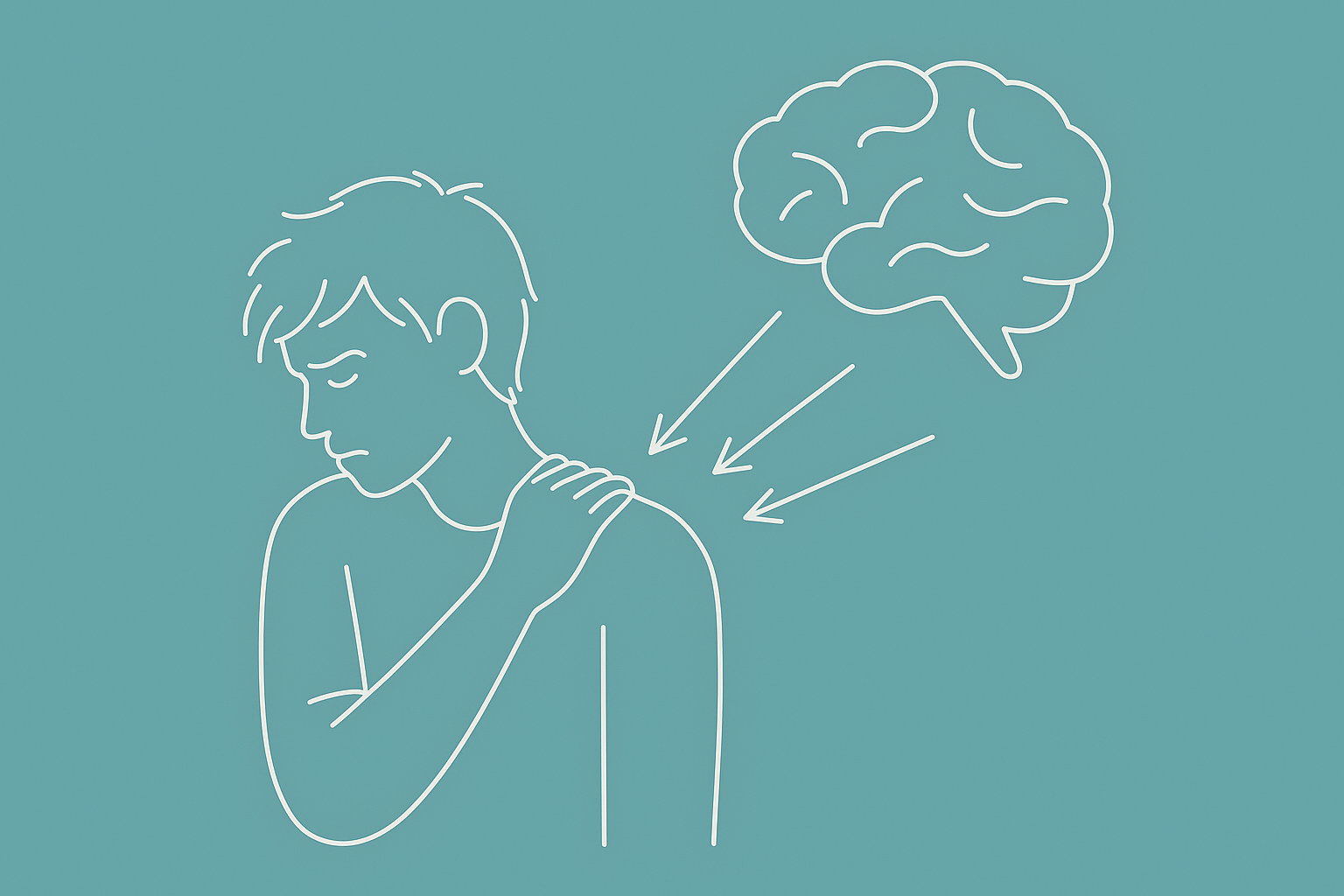
Although the brain generates pain signals, the pain experience is absolutely real.
Here’s why your teen’s pain may feel especially intense:
1. The brain is still under construction.
Prefrontal systems that help down-regulate threat are still maturing, while limbic/salience “alarm” circuits tend to run hot. That means sensations can feel bigger, louder, and stickier.
2. Prediction shapes perception.
The brain is constantly making predictions about sensory information based on past experiences. With pain, it doesn’t just respond to what’s happening—it anticipates what might happen. When the brain expects danger, it’s more likely to interpret neutral signals as painful.
3. High stress = more “false alarms.”
Adolescence is full of stressors: academic pressure, social dynamics, identity questions, big feelings. Under stress, the brain predicts danger more often. Harmless signals can get misread as unsafe, so pain gets amplified.
4. Self-narrative and meaning-making.
The story teens tell themselves about their pain matters. During this stage of life, they’re constantly asking, “Who am I? What can I handle? What’s possible for me?” Chronic pain can easily feed a story of being fragile, broken, or limited—which in turn reinforces the brain’s danger response and keeps pain pathways active.
Understanding these mechanisms doesn’t minimize their pain. Instead, it opens the door to a different kind of support—one that focuses on safety, regulation, and rewiring.
Practical Ways to Support the Teen in Your Life
1. Create a Reassuring Environment
• Foster an atmosphere of understanding and empathy at home. Encourage open communication where your teen feels safe to talk about their pain and emotions without judgment.
• Help personalize their space for comfort—soft lighting, cozy blankets, favorite art—anything that makes rest and regulation easier.
• Shape daily routines so they include rest, regulation strategies, and pain tools without adding extra stress or pressure.
2. Collaborate With Your Teen
• Involve them in conversations about their pain recovery instead of making plans for them.
• Encourage them to set realistic, meaningful goals—academic, social, or physical—and break those into manageable steps that honor their current limits.
• Respect their autonomy around how much they share about their pain with peers and teachers, and support them as they navigate social situations.
3. Engage with Professionals
• Partner with trusted teachers, guidance counselors, and therapists to create a comprehensive support plan. This may include flexible attendance, adjusted workloads, or other accommodations.
• When possible, connect them with therapy or support groups specifically tailored to teens with chronic pain or chronic symptoms.
4. Exude Confidence in Their Ability to Recover
• Share stories of resilience—your own, others’, or examples they can relate to—to show that pain recovery is possible.
• Celebrate achievements, no matter how small. Getting out of bed, going to class, or trying a feared activity all count.
• Normalize setbacks as part of healing. Remind them that “bad days” don’t erase progress; they’re part of the nervous system learning something new.
5. Promote Healthy Lifestyle Choices
• Support a balanced lifestyle: nourishing food, movement that feels safe, and consistent sleep routines.
• Explore regulation tools together—deep breathing, mindfulness, gentle stretching or yoga, somatic tracking, or guided relaxation.
• Help them stay connected to what they love—art, music, games, nature, light activities—modifying as needed so they can participate without reinforcing fear.
6. Stay Educated
• Learn about chronic neuroplastic pain and how brain-based pain can change.
• Stay curious about new pain recovery approaches, including Pain Reprocessing Therapy (PRT).
• Notice what lands with your teen. Sometimes a calm presence and attentive listening do more than problem-solving.
By focusing on these areas, you can offer meaningful support to the teen in your life while preserving your relationship and protecting your own nervous system in the process.
What the Research Says About Chronic Pain in Teens
A study by Caitlin B. Murray and colleagues followed adolescents with chronic pain into young adulthood.
They looked at outcomes like education, work, and social relationships and found that chronic pain in adolescence
can lead to:
• Lower academic achievement
• More difficulty securing stable jobs
• Strain in social relationships
In other words, untreated or poorly supported pain during adolescence can echo into adulthood.
The hopeful part: since this study was published in 2020, the field of chronic pain has continued to evolve.
Research on brain-based pain recovery approaches, including Pain Reprocessing Therapy (PRT), has expanded.
Evidence-based strategies now show that when we interrupt misfiring pain signals and help the brain reclassify sensations as safe,
symptoms can decrease or fully resolve—even after years of chronic pain.
The earlier we support teens in rewiring these pathways, the greater their chances of maximizing their social, emotional, and academic potential.
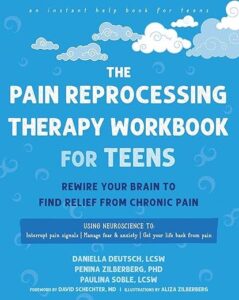
The Pain Reprocessing Therapy Workbook for Teens
We know teens need tools that speak their language and fit real life. That’s why we’re so excited about The Pain Reprocessing Therapy Workbook for Teens by Daniella Deutsch, LCSW, Penina Zilberberg, PhD, and Paulina Soble, LCSW—now available for preorder.
Chronic neuroplastic pain happens when the brain misinterprets safe signals from the body and generates pain in the absence of danger. Fear, anxiety, and preoccupation with symptoms can keep teens stuck in that loop and prevent them from doing the things they love.
This engaging, interactive workbook:
• Teaches teens how pain is constructed in the brain
• Helps them interrupt the cycle of chronic pain
• Guides them to accurately interpret and respond to physical signals
• Puts their brain and body back on the same page
• Offers step-by-step tools they can actually use in day-to-day life
It’s written not just for teens, but also for the people who support them—parents, caregivers, teachers, and clinicians—so everyone is working from the same brain-based view of pain.
👉 You can preorder the Pain Reprocessing Therapy Workbook for Teens now!